NOTICE
DELIVERY WILL TAKE BETWEEN 30 TO 45 DAYS
DELIVERY WILL TAKE BETWEEN 30 TO 45 DAYS
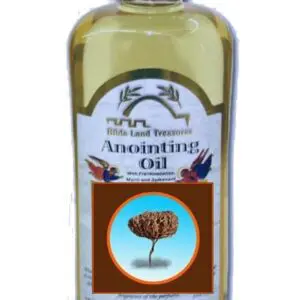
Anointing oil
Holy anointing oil holds a significant place in Christian tradition.
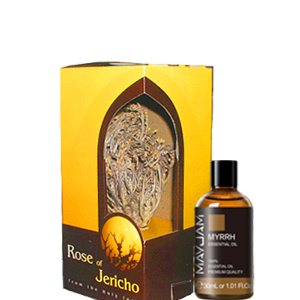
Artemisia arborescens
Small rose of Jericho + Myrrh Oil
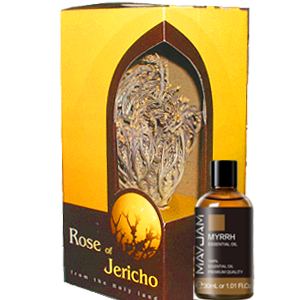
Artemisia arborescens
Big rose of Jericho + Myrrh Oil
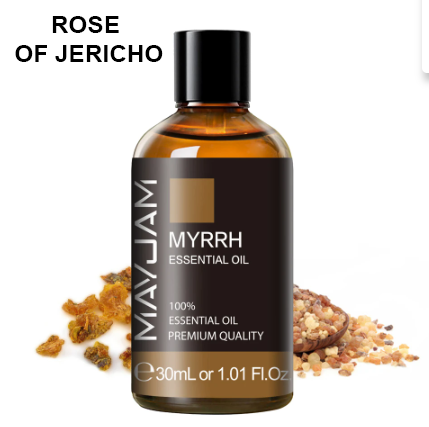
Myrrh Oil
30ml Aromatherapy Massage Oil Myrrh Pure Natural Essential Oils Fennel Basil Clary Sage Pine Needles Pepper Thyme Ginger Oil
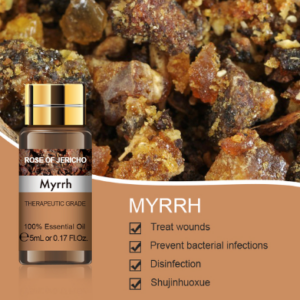
Myrrh Oil
5ml Myrrh Essential Oil for Perfume Candles Making Spa Massage Humidifier Bath Tangerine Thyme Vetiver Vanilla Rose
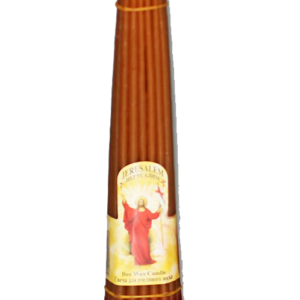
Handmade beeswax candles from Jerusalem, consecrated in the holy Church in Jerusalem, symbolize 33 years of the earthly life of Jesus. Related posts: Myrrh Essential Oil Anointing oil Cross bracelet from Holy Land Three cross bracelet from Holy Land Cross necklace from Holy Land Wing necklace from Holy Land
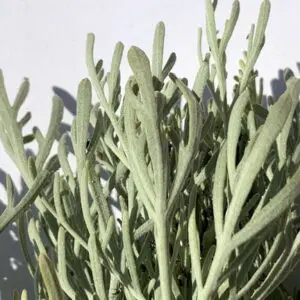
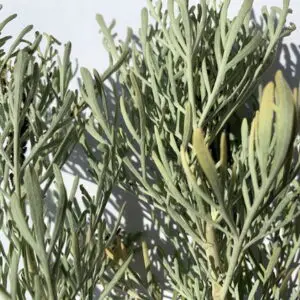
Artemisia arborescens
Artemisia arborescens is a wild plant grown in the Mediterranean basin, many add the dried leaves of Artemisia arborescens to their cup of tea and thus enhance its flavor and make it healthier and more nutritious.
This product has multiple variants. The options may be chosen on the product page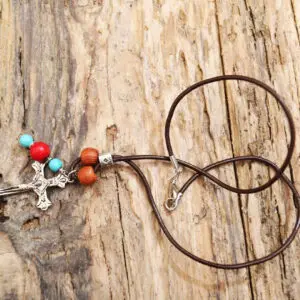
Cross leather mala necklace from Holy Land
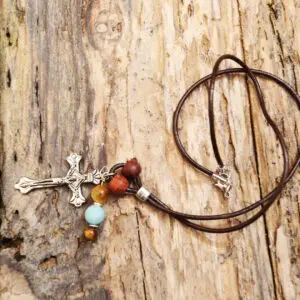
Cross leather mala necklace from Holy Land
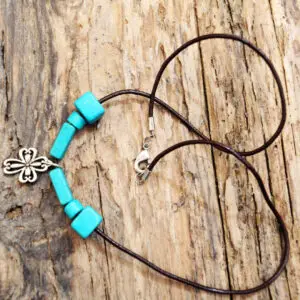
Cross leather mala necklace from Holy Land
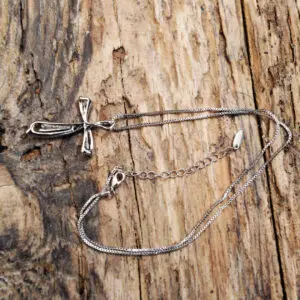
necklaces
Cross necklace from Holy Land
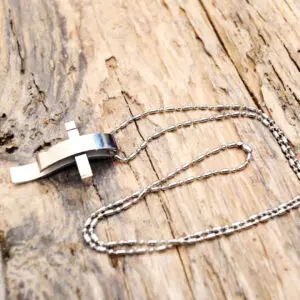
necklaces
Cross necklace from Holy Land
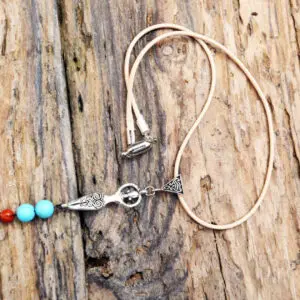
necklaces
Leather mala necklace from Holy Land
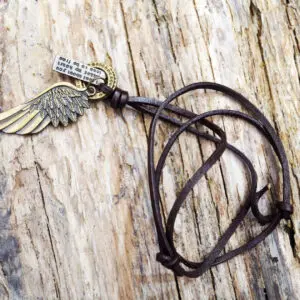
necklaces
Wing necklace from Holy Land
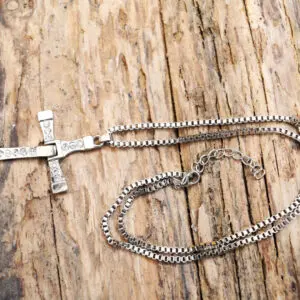
necklaces
Cross necklace from Holy Land
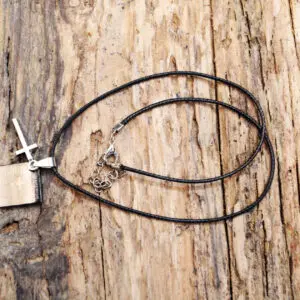
necklaces
leather cross necklace from Holy Land
bracelets
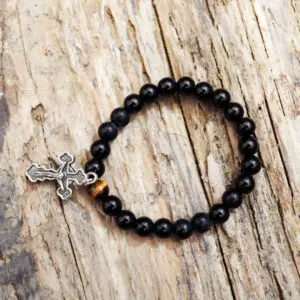
Onix cross bracelet from Holy Land
bracelets
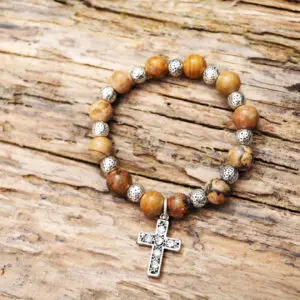
Jasper cross bracelet from Holy Land
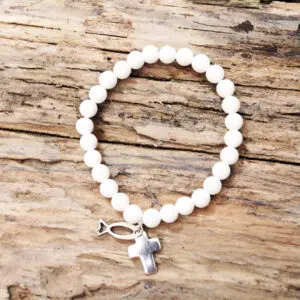
Opal cross and fish bracelet from Holy Land
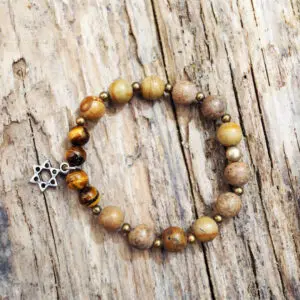
Jasper and tiger eye star David bracelet from Holy Land
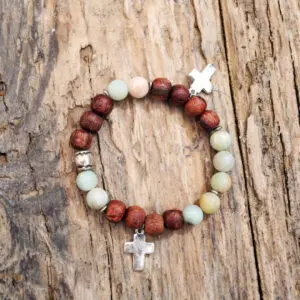
Amazonite and jasper cross bracelet from Holy Land
bracelets
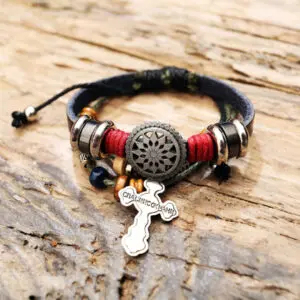
leather cross bracelet from Holy Land
bracelets
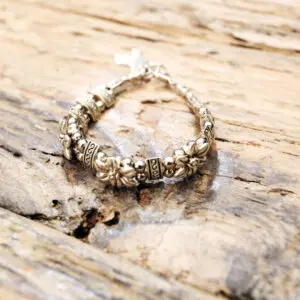
Flower and cross bracelet from Holy Land
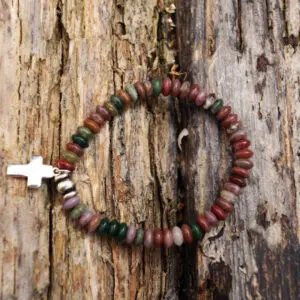
Jade round beads cross bracelet from Holy Land
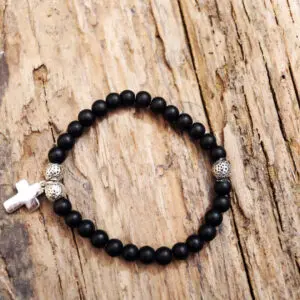
bracelets
Onix cross bracelet from Holy Land
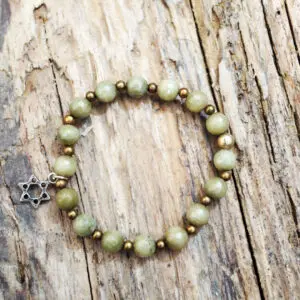
bracelets
Jade starDavid bracelet from Holy Land
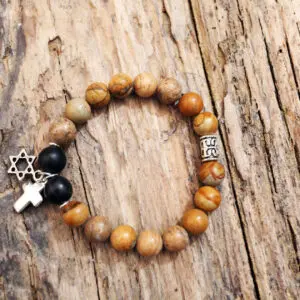
Jasper and onix cross and star David bracelet from Holy Land
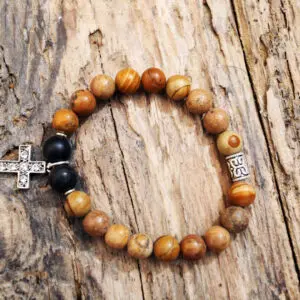
Jasper and onix cross bracelet from Holy Land
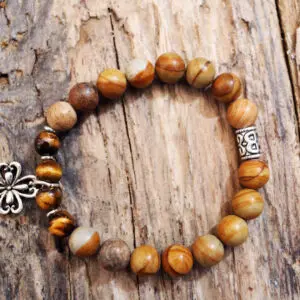
bracelets
Jasper cross bracelet from Holy Land
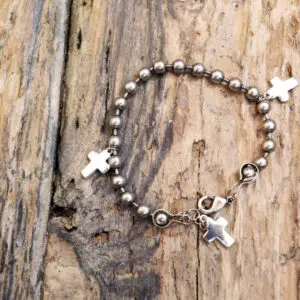
bracelets
Three cross bracelet from Holy Land
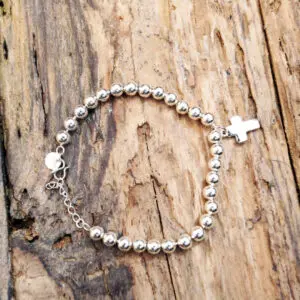
bracelets
Cross bracelet from Holy Land
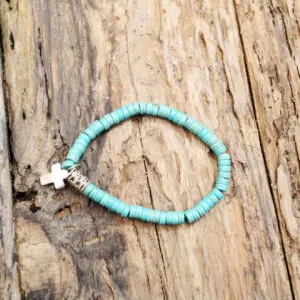
Turquoise stone cross bracelet from Holy Land
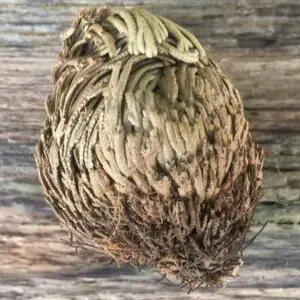
Rose of Jericho
Rose of Jericho
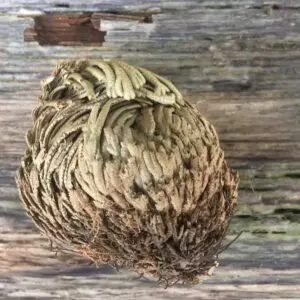
Real Rose of Jericho
BIG ROSE OF JERICHO
Real Rose of Jericho
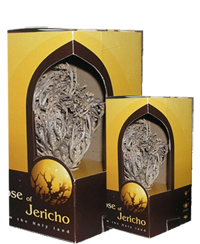
TWO ROSE OF JERICHO - one big and one small
Real Rose of Jericho
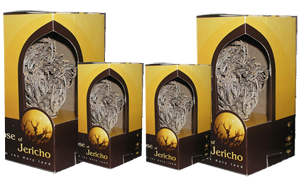
FOUR ROSE OF JERICHO - two big and two small
Real Rose of Jericho
SMALL ROSE OF JERICHO

A scientific comparison of the false rose of Jericho and true rose of Jericho. Understand [...]
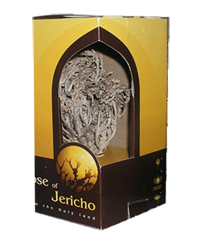
A scientific marvel with ancient roots, the true Rose of Jericho offers a unique blend [...]

Anastatica hierochuntica, commonly known as the "Jericho rose", is a small desert plant that originated [...]

La Rosa de Jericó es miembro de la familia de la mostaza (Brassicaceae) y es [...]
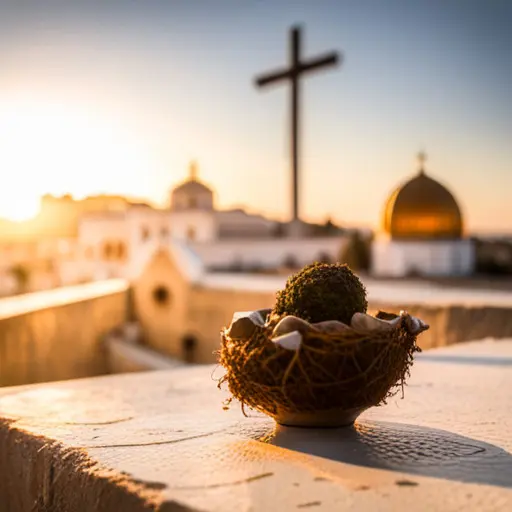
Explore the captivating folklore surrounding the Rose of Jericho. Discover its symbolism, role in protection, [...]
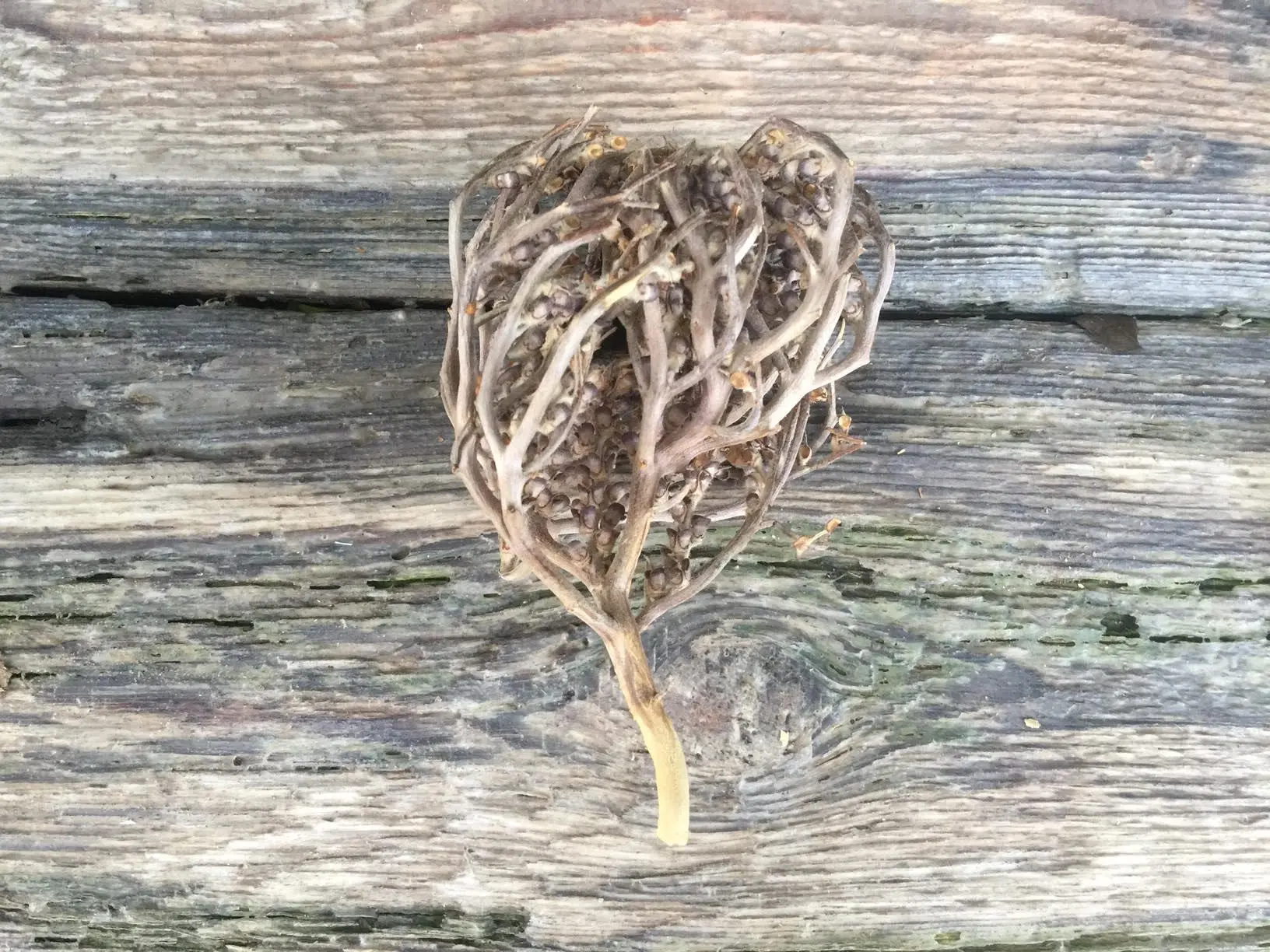
In this comprehensive guide we delve into the fascinating world of the Rose of Jericho, [...]
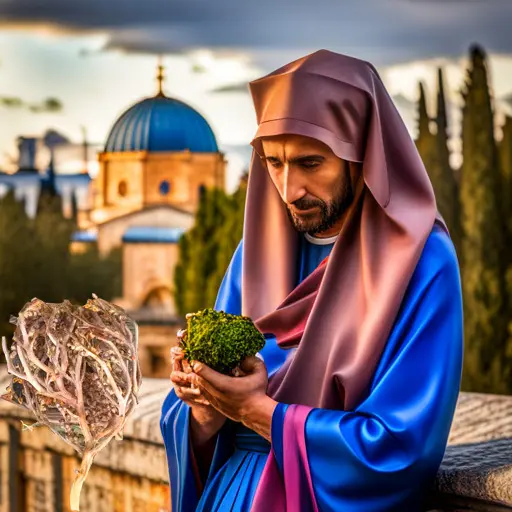
The true Jericho Rose, scientifically known as Anastatica Hierochuntica, has a deep cultural and symbolic [...]

The Jericho Rose, also known as the resurrection plant or Anastatica hierocontica, is a plant [...]

The Jericho rose, also known as the resurrection plant or Jericho rose, is a fascinating [...]
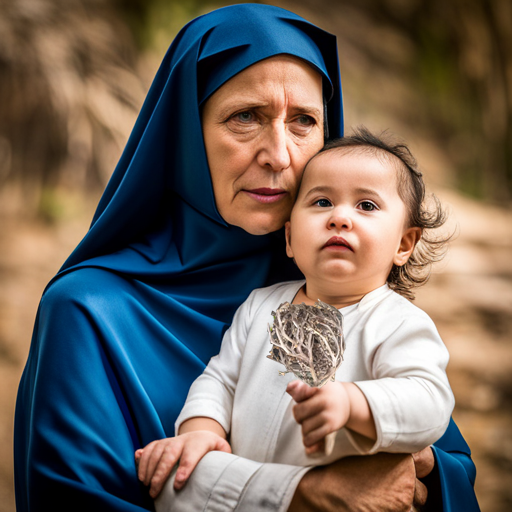
Jericho is an ancient city in the West Bank, located about 8 kilometers from the [...]
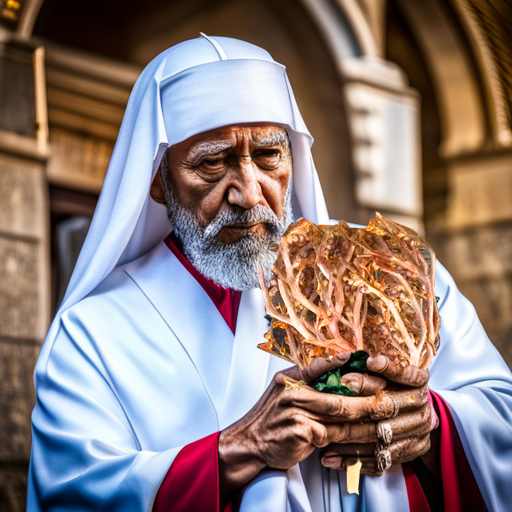
The true Rose of Jericho, scientifically known as Anastatic hierochuntica, is a desert plant native [...]
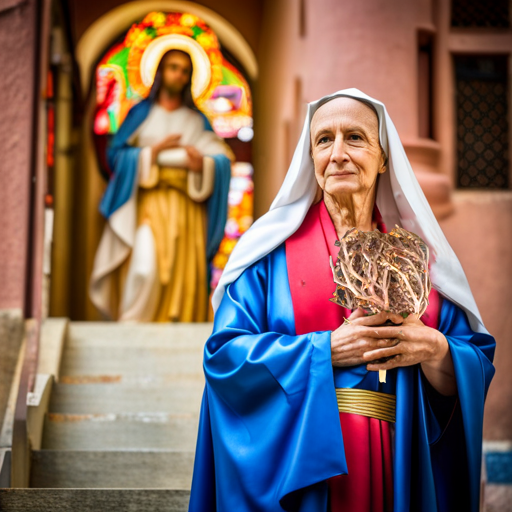
The real Rose of Jericho is a unique plant species that has been highly regarded [...]